AUTHORS
Maya Brooks
Maya Brooks is the RippingPatrol house byline for pokémon & tcg collecting. Read this coverage desk’s guides, reports and editorial responsibilities.

HOUSE BYLINE · Pokémon & TCG collecting
The art, identity and stories of cards.
Exact printings, artists, set histories and achievable collecting themes. This desk connects a single card to the wider hobby, from a nine-pocket binder page to a carefully chosen slab.
This name is a RippingPatrol editorial pen name assigned to a coverage beat. It is not an individual employee biography or a claim of first-hand collecting experience. Research and drafting are AI-assisted, with primary-source review and published editorial standards. Commissioned human contributors will be credited separately.
Read the editorial standardsFROM THIS COVERAGE DESK
Work by Maya Brooks
 Editorial illustrationReporting & analysis
Zeta Set’s October 9 cancellation date has passed; December reorder remains scheduled
Wizards’ October 1 notice specified October 9 for existing-order cancellation requests. That date has passed; its December 9 reorder plan retains a separate shipping estimate.
Editorial illustrationReporting & analysisBeckett puts accounts and card records first in planned platform return
Beckett’s October 2 update outlines phased restoration after suspicious technical activity. Accounts, submissions, certificate lookup and population reports are first in the plan; no return date is given.
 Source imageReporting & analysis
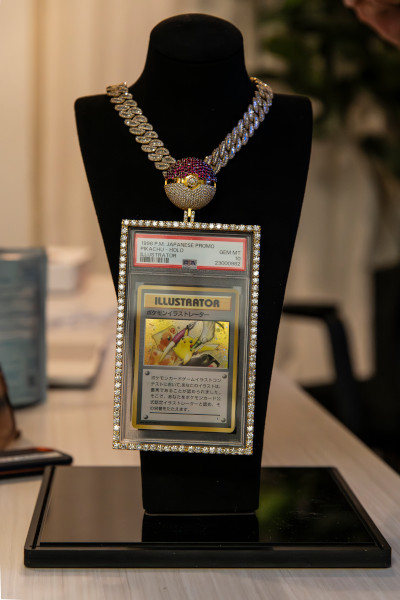
What the $16.492 million Pikachu Illustrator sale actually measures
A record-setting result is a precise transaction, not a price tag for every Illustrator—or for Pokémon as a whole.
 Editorial illustration · not a source photographReporting & analysis
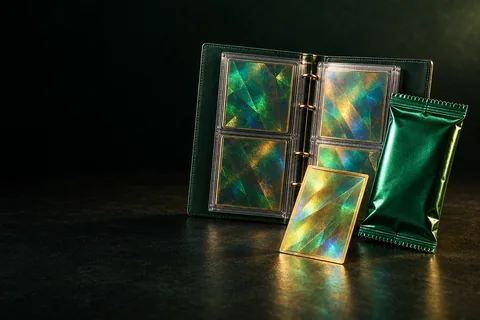
The $360,000 Blastoise that was never a normal pack pull
The 2021 presentation-card sale shows why prototypes require a different collecting vocabulary.
Editorial illustration · not a source photographReporting & analysisThe $3.3 million Ivy Pikachu report starts with two leaves
CGC’s August 2026 private-sale announcement concerns a Marketing Variation, not every early glossy Pikachu.
Editorial illustrationCollecting guideGrading and card condition: read the card, then the label
A collector’s guide to raw cards, graded slabs, certification records and the details that separate one copy from another.
Editorial illustrationCollecting guideOpening Pokémon packs online: choose the experience you want
Sealed boosters, curated pulls, graded cards and digital games all have a place. Here is how to tell them apart.
Editorial illustrationCollecting guideHow to build a card checklist you can actually finish
Define a collecting project, separate prints and variants, and track wanted, owned and incoming cards without losing the point of the collection.
Editorial illustrationCollecting guideHow to inspect a raw card: photographs, surface and condition notes
A practical inspection routine for raw trading cards, with clear distinctions between visible evidence, marketplace condition and a possible professional grade.
Editorial illustration · not a graded specimenCollecting guidePSA Card Grading: PSA 10, Labels & Buying Graded Cards
Understand PSA grades, Gem Mint 10, certification checks and autograph labels before buying a slab, opening a graded-card pack or submitting a card.
Editorial illustration · not a graded specimenCollecting guideBGS Card Grading: Black Label, Pristine 10 & Subgrades
Read Beckett BGS grades, four subgrades, Gem Mint 9.5 and Black Label 10. Learn what to check before buying, trading or submitting a card.
Editorial illustration · not a graded specimenCollecting guideCGC Card Grading: Pristine 10, Gem Mint & Legacy 9.5
Understand CGC Pristine 10, Gem Mint 10, current Mint+ 9.5 and older labels. Check certification, legacy grades and reholder choices before buying.
Editorial illustration · not a graded specimenCollecting guideCard Grading Scale: PSA, BGS & CGC Grades Explained
Read the 1–10 card grading scale and compare PSA, BGS and CGC. Understand grade names, half points, Black Label and why every 10 is not equivalent.
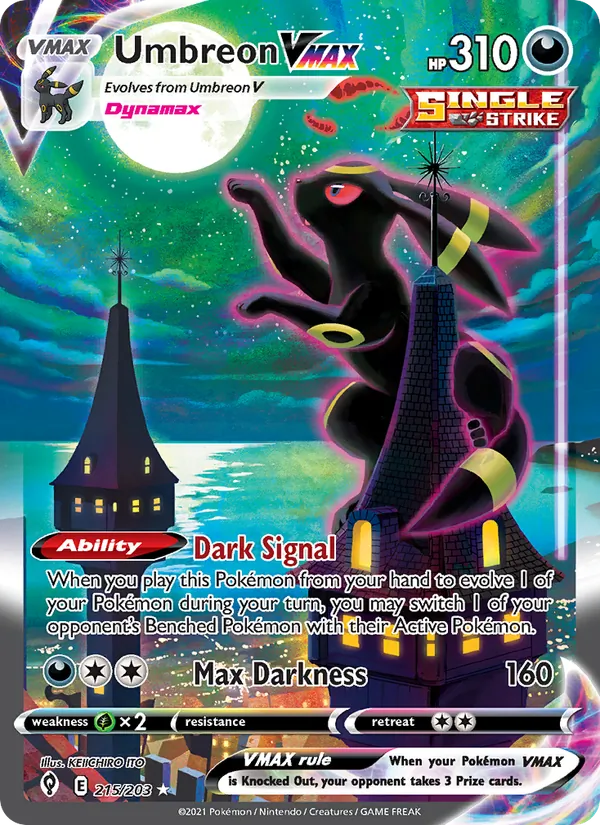 Example card · Umbreon VMAX 215/203Collecting feature
Collecting Eeveelutions: give the family a shape
Build a collection around a visual idea, a set or one favorite evolution, rather than an endless list of names.
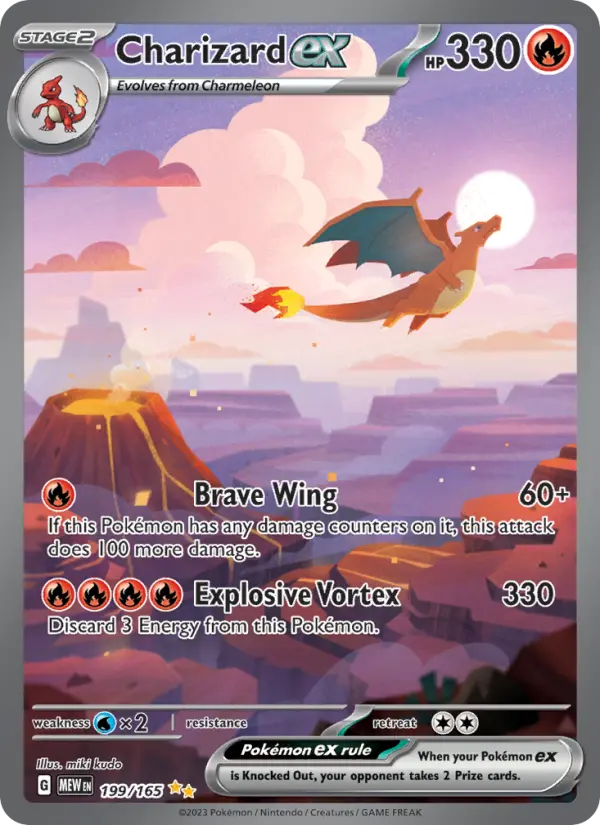 Example card · Charizard ex 199/165Collecting feature
A Charizard collection beyond one headline card
Use an era, an evolution line or an illustration to turn a famous character into a coherent collecting project.
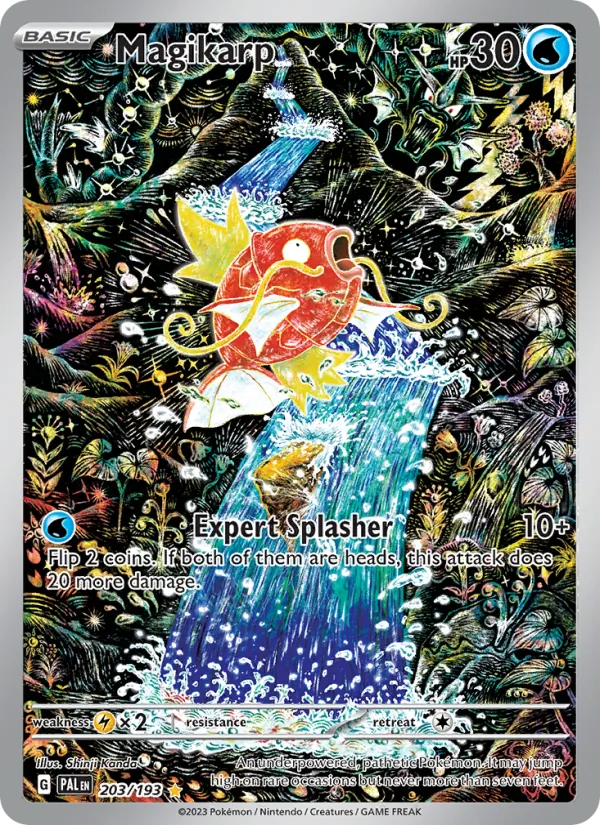 Example card · Magikarp 203/193Collecting feature
Collecting the illustration: characters, scenes and artists
An art-first collection can connect cards that have little in common on a rarity chart.
 Editorial illustrationCollecting feature
One Piece manga collecting: identify the artwork first
The card number follows the game identity. It does not always distinguish the collectible treatment.
Example card · Umbreon VMAX 215/203Collecting featureEvolving Skies: choose your chapter of the collection
The Sword & Shield expansion offers more than a single famous Umbreon. Define the version of completion that matters to you.
Example card · Charizard ex 199/165Collecting featurePokémon 151: a familiar cast, several ways to collect
Use the set’s precise numbering and illustration choices to build a Kanto collection with a clear finishing line.
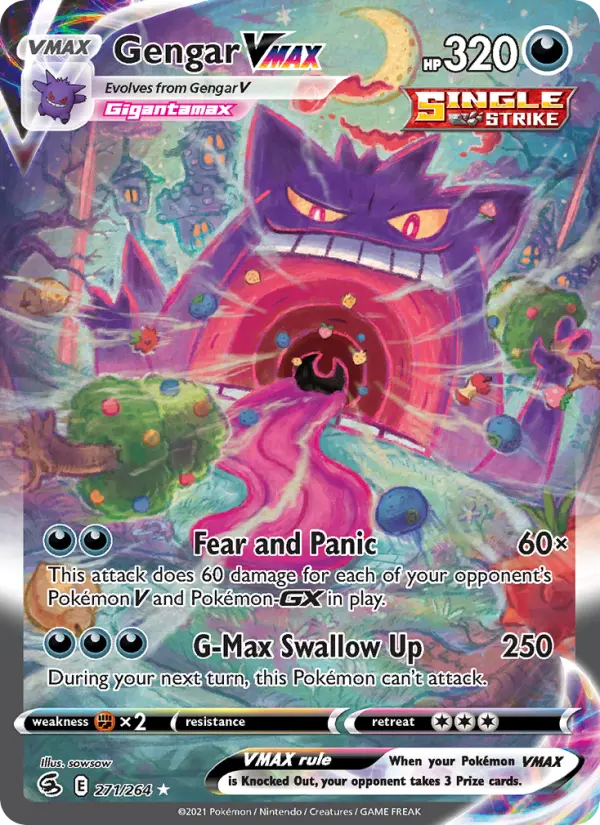 Example card · Gengar VMAX 271/264Collecting feature
Fusion Strike: organize a large set around a clear idea
A broad checklist and distinctive illustrated cards make collection scope the first important decision.
Editorial illustrationCollecting featureRomance Dawn: collect the first English booster chapter
The One Piece expansion rewards attention to characters, leader cards and the artwork variants behind a shared number.
Card guideUmbreon VMAX 215/203
Moonlight, a tower and a full-card composition make this a useful reference point for alternate-art collecting. Match 215/203 exactly: the set also has other Umbreon VMAX prints. A slab label, grade and certification are separate from the card identity.
Card guideCharizard ex 199/165
A Charizard page should start with the exact print. This is English 151 number 199/165, not the regular ex or the Japanese 201/165 version. Compare raw condition, grading company and grade before comparing completed sales.
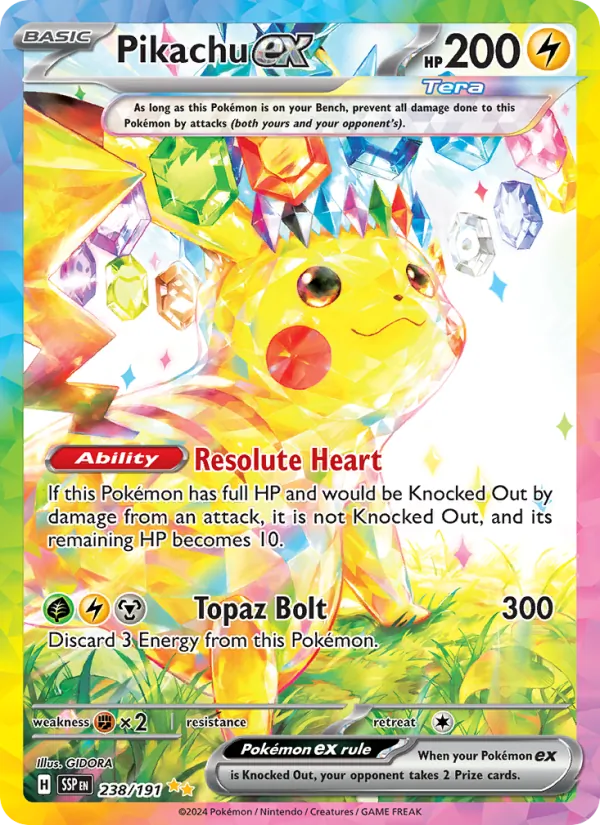 Card guide
Pikachu ex 238/191
This is the illustrated Pikachu ex numbered 238/191 in Surging Sparks. Other Pikachu ex versions share the name, so a price for the base card or a different language does not value this print. Card number and condition belong beside every price reference.
 Card guide
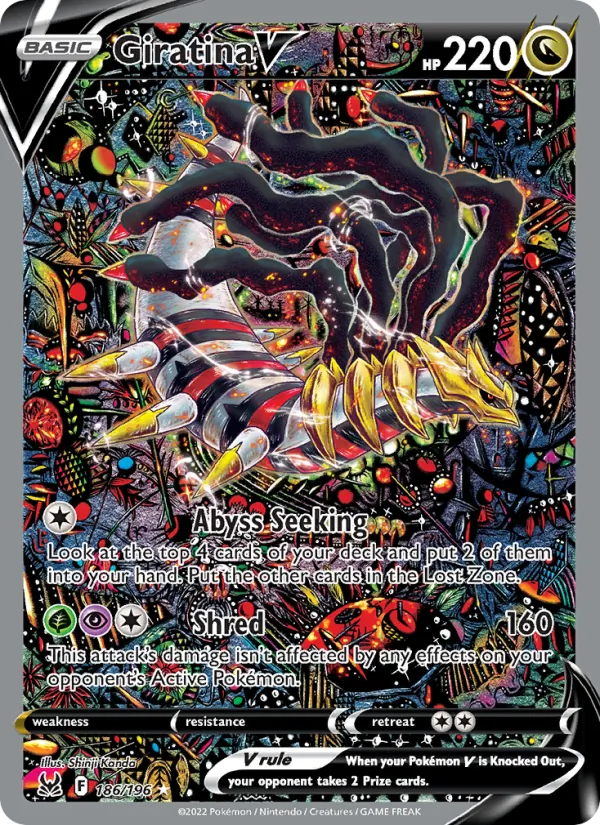
Giratina V 186/196
Shinji Kanda’s illustrated Giratina V provides a clear example of why art treatment matters. Number 186/196 is distinct from the regular Giratina V and the full-art print in the same set. Inspect edges, centering and surface on the actual item, not a catalog scan.
Card guideGengar VMAX 271/264
Gengar VMAX 271/264 is a different collectible from the regular Fusion Strike Gengar VMAX. The English number, language and artwork are the fastest first checks. A platform displaying this image is not proof that a specific pack currently contains the card.
Card guideMagikarp 203/193
This non-ex illustration rare demonstrates that collector interest is not confined to high-power gameplay cards. It is number 203/193 in English Paldea Evolved. Keep Japanese and English versions, and raw and graded examples, in separate comparisons.
 Card guide
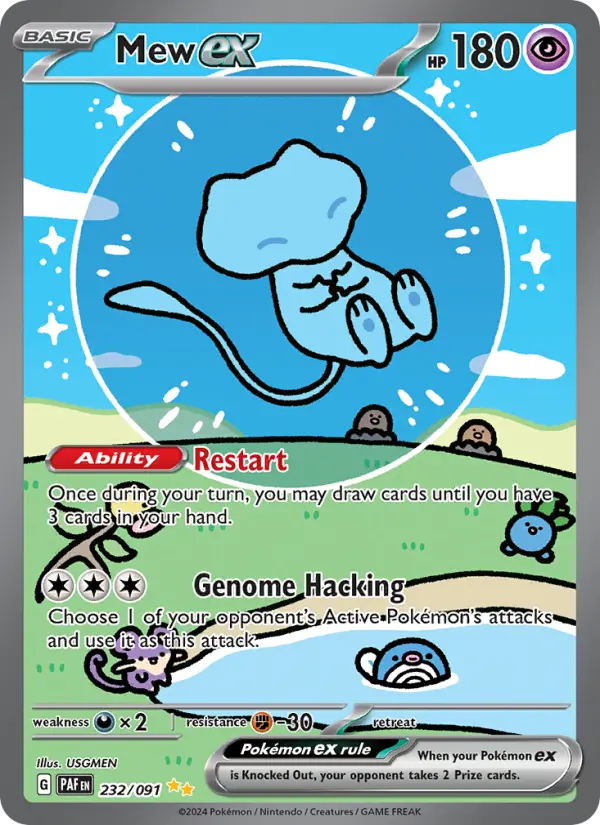
Mew ex 232/091
Often discussed by the nickname Bubble Mew, this page identifies the English Paldean Fates print, 232/091. The nickname alone is not enough for valuation: language, variant and condition still need checking. Inventory and pull odds must come from the operator’s current pack disclosure.
 Card guide
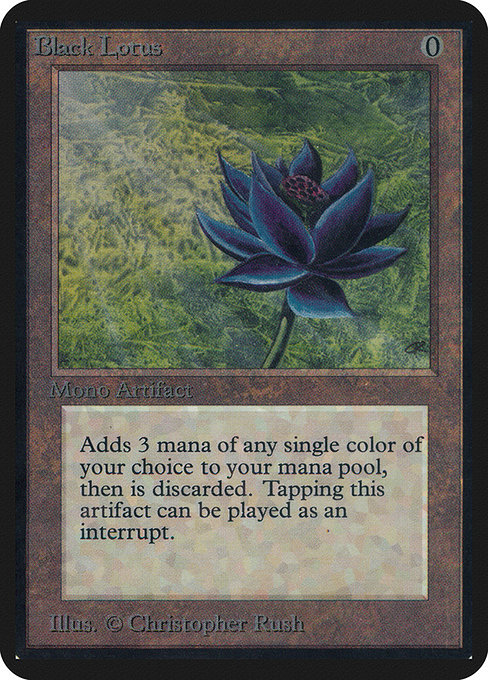
Black Lotus Unnumbered
The Alpha printing dates to 1993. Black Lotus also exists in other editions and reproductions, making edition identification essential. Rounded corners, print characteristics and authentication matter; a card bearing the name is not automatically an Alpha copy.
 Card guide
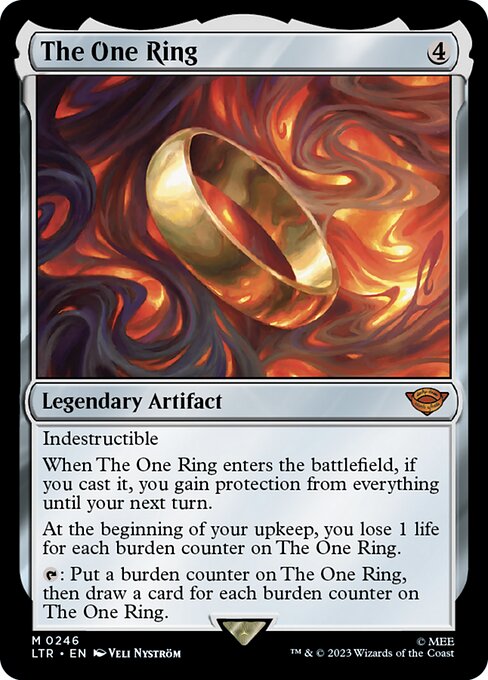
The One Ring 246
This is the regular number 246 printing from The Lord of the Rings: Tales of Middle-earth. It is not the unique serialized 001/001 card. Separate foil and nonfoil values, and verify format legality independently if you plan to play it.
 Card guide
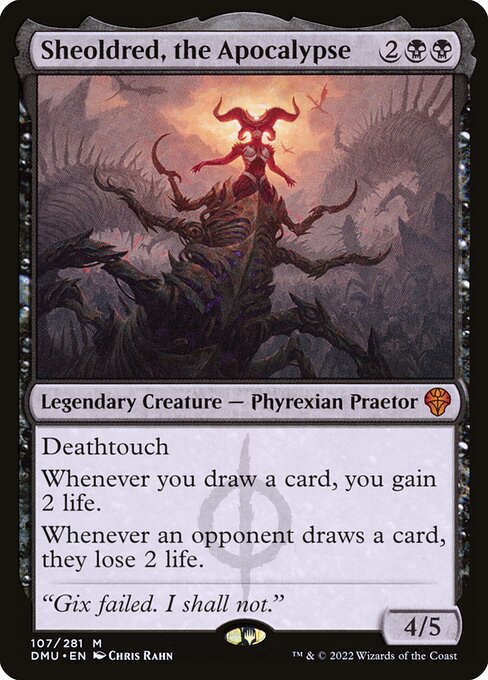
Sheoldred, the Apocalypse 107
This is the regular Dominaria United printing, number 107. Showcase, borderless and other treatments require their own comparisons. Gameplay demand and collector demand can move differently, so a deck staple is not a promise of resale value.
One Piece illustration · exact image unavailableCard guideMonkey.D.Luffy OP05-119
Monkey.D.Luffy OP05-119 appears in Awakening of the New Era. The same card number can appear on multiple art treatments; this record covers the standard artwork, not a manga rare. When comparing a listing, identify the artwork as well as the number, language, condition and any grade.
One Piece illustration · exact image unavailableCard guideShanks OP01-120
Shanks OP01-120 appears in Romance Dawn. The same card number can appear on multiple art treatments; this record covers the standard artwork, not a manga rare. When comparing a listing, identify the artwork as well as the number, language, condition and any grade.
One Piece illustration · exact image unavailableCard guidePortgas.D.Ace OP02-013
Portgas.D.Ace OP02-013 appears in Paramount War. The same card number can appear on multiple art treatments; this record covers the standard artwork, not a manga rare. When comparing a listing, identify the artwork as well as the number, language, condition and any grade.
Reported specimen · condition is copy-specificCard guidePikachu Illustrator Unnumbered
Pikachu Illustrator belongs to the history of Pokémon illustration contests rather than a retail expansion checklist. Guinness identifies the Japanese prize card with 1998 and Atsuko Nishida’s artwork. That origin gives the card an unusually direct relationship with drawing and recognition: the subject is not simply Pikachu as a game character, but a collectible associated with the people making and celebrating Pokémon art.
 CGC 8.5 source specimen · not every copyCard guide
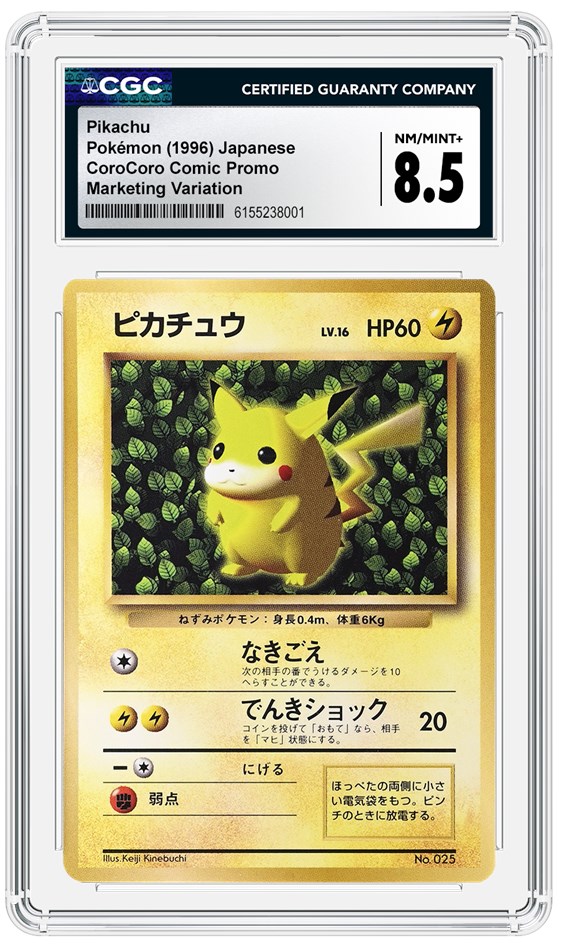
Pikachu — Glossy Marketing Variation Unnumbered
The 1996 Japanese CoroCoro Pikachu known as the Glossy Marketing Variation is a study in why a character nickname is insufficient identification. CGC distinguishes it through the artwork and illustrator credit. Leaves beneath Pikachu’s left foot, the character’s shifted position and Keiji Kinebuchi’s credit separate this version from nearby early Pikachu material.
Pokémon illustration · exact image unavailableCard guideBlastoise — 1998 presentation #009/165R 009/165R
The 1998 Blastoise #009/165R Commissioned Presentation Galaxy Star Hologram belongs to the development history of English-language Pokémon cards. Heritage identifies the auctioned example as a presentation piece commissioned during that process, with Ken Sugimori artwork. It should not be cataloged as an ordinary expansion Blastoise simply because the character and basic card form are familiar.