Look before you rank
A card can be compelling because of its composition, color, setting or sense of movement. Start an illustration-led collection by noticing what you return to: quiet domestic scenes, dramatic landscapes, unusual perspectives or a particular artist’s line. Those preferences create a collecting vocabulary that is more personal than a list ordered by asking price.
A small group of cards with a shared visual idea can work as a complete collection. You can also build paired pages that compare different illustrators’ versions of one character. The organizing principle belongs to the collector.
One artist, two different set identities
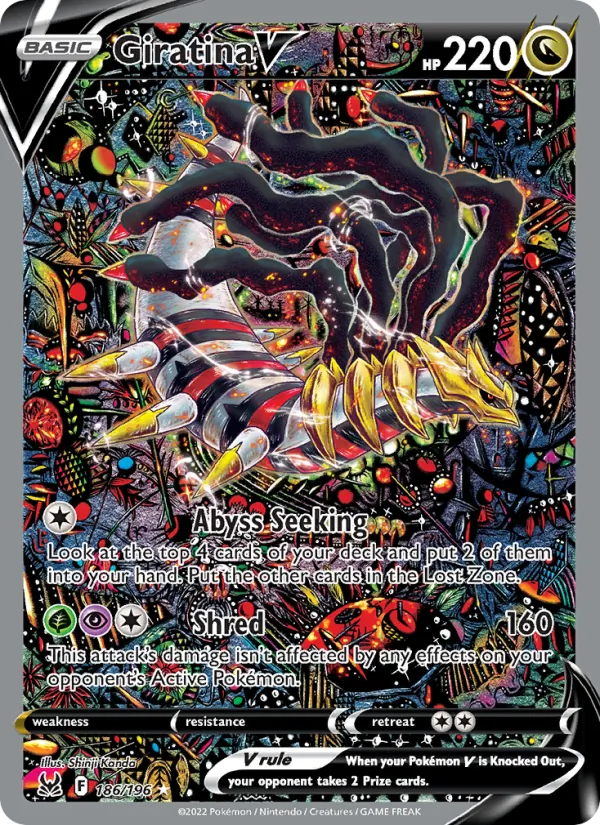
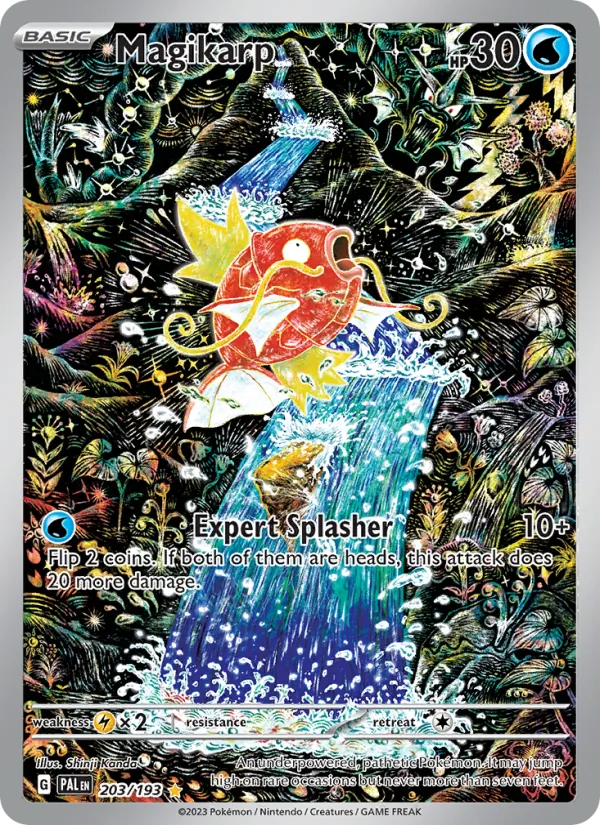
Shinji Kanda is credited on Giratina V 186/196 from Lost Origin and Magikarp 203/193 from Paldea Evolved. That connection offers a concrete way into artist-led collecting. The cards come from different sets and use different rarity conventions, yet a viewer can study them together for their visual approach.
Keep the catalog vocabulary accurate. Magikarp is an illustration rare in its Scarlet & Violet expansion. Giratina’s Sword & Shield treatment is commonly discussed as alternate art; calling every illustrated full-card treatment an illustration rare erases distinctions between eras. An art collection can cross those categories without renaming them.
Rarity labels do not measure enjoyment
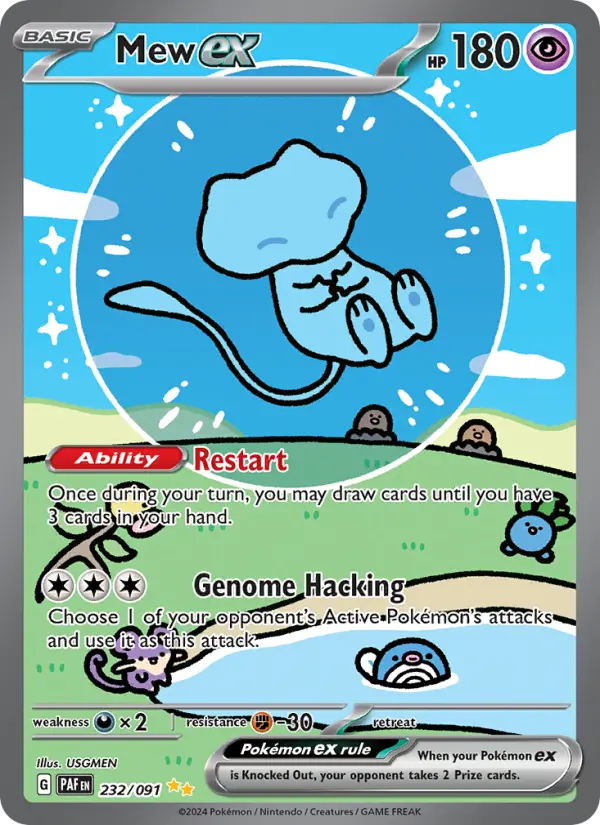
A rarity label explains a card’s classification within a product. It does not by itself state a precise pull probability, a print run or how much the artwork should matter to you. Mew ex 232/091 from Paldean Fates, credited to USGMEN, offers another very different visual direction from the two Kanda cards.
Use artist names, set codes and card numbers in your notes. Nicknames are helpful for conversation, but they can be ambiguous across languages and reprints. A source-linked record lets you return to the correct image even after a marketplace title changes.
IR, SIR and alternate art are not synonyms
Pokémon introduced illustration rare and special illustration rare as named categories in the Scarlet & Violet series. Its explanation distinguishes illustrated treatments of ordinary Pokémon from special illustration treatments of Pokémon ex and Supporters. Full art describes how an image uses the card; it does not establish one universal rarity category across every era.
Keep two columns in an art collection: the printed or cataloged rarity and your own visual theme. Magikarp can belong to an “intricate worlds” page while remaining an illustration rare. Giratina can join that page as a Sword & Shield alternate-art selection without being relabeled. This small distinction makes cross-era collecting easier because the artistic connection remains clear while the catalog identities stay accurate.
Use the artist credit as a research trail
The official Pokémon card database includes an illustrator search. Begin with a credit printed on a card you already like, then explore the artist’s other work before filtering by rarity or price. This can reveal a broader range of compositions than repeatedly searching a famous card’s nickname. Preserve the spelling used in the credit, including an artist’s chosen capitalization.
For Shinji Kanda, comparing Giratina V 186/196 with Magikarp 203/193 gives a defined two-card starting point. Add a note about what draws your eye in each image, rather than assuming that shared authorship makes the experience identical. The next acquisition can deepen a specific visual interest, such as how the subject sits within the surrounding scene, instead of simply extending a name-based checklist.
Create a six-card gallery brief
Try a six-card project arranged as three pairs: two densely populated scenes, two quiet scenes and two unusual perspectives. Each pair needs a reason to be together, but the six cards do not need matching rarity labels. Make a provisional image board first and remove any card that contributes only fame or expense. This is a collecting exercise, not a claim that one style is objectively better.
Then choose whether the pairs should share an artist or deliberately compare different artists. A shared credit invites close observation of recurring choices; different credits can make the same subject feel strikingly different. Limit the first version to six slots. A finished small gallery is easier to evaluate than a growing list in which every attractive new release becomes compulsory.
Let a contrasting artist reset the page
USGMEN is credited for the illustrated Mew ex featured in Pokémon’s Paldean Fates preview. In our card catalog, that selection is Mew ex 232/091. Placing an intentionally different visual approach beside the Kanda examples creates a reason to pause between images. The point of the contrast is the viewing experience, not a proposed hierarchy between the artists or the cards.
Test the order at actual card size. A composition that looks striking enlarged on a phone can read differently through a binder pocket. Leave breathing room through sequence and placement rather than filling every gap with another high-rarity card. If a card consistently dominates the group, it may work better as a standalone display than as the compulsory center of every page.
Separate the artwork from the marketplace image
Catalog scans answer which illustration you want. They cannot show how a particular copy handles foil, texture or wear under light. Before buying for display, examine the actual specimen and consider whether a mark crosses the visual focal point. A minor-looking defect in a listing title may be very distracting in the part of the image you most enjoy.
Keep personal annotations separate from the issuer’s description. “Forest page,” “favorite background” or “paired with Magikarp” are useful curatorial notes; they should not turn into official rarity or variant names. When sharing the collection, include the card’s set, number and artist so another collector can find the same work without relying on your private theme labels.
Build a gallery you can handle
Consider how the collection will be viewed. Binder pages reward sequences and contrasts; individual holders emphasize one image at a time. Protect the cards using materials and storage suited to their intended display, and inspect actual condition before purchase. An art-first goal can make a less expensive treatment the right choice. It can also make passing on an admired card sensible when the available specimen or asking price does not fit the project.
Sources & further reading
- Giratina catalog and artist
- Magikarp catalog and artist
- Mew catalog and artist
- Pokémon: Scarlet & Violet rarity and appearance guide
- Pokémon: official card database and illustrator search
- Pokémon: Magikarp 203/193 artist credit
- Pokémon: Giratina V 186/196 artist credit
- Pokémon: Paldean Fates preview and USGMEN credit