An award with an artist at its center
Pikachu Illustrator belongs to the history of Pokémon illustration contests rather than a retail expansion checklist. Guinness identifies the Japanese prize card with 1998 and Atsuko Nishida’s artwork. That origin gives the card an unusually direct relationship with drawing and recognition: the subject is not simply Pikachu as a game character, but a collectible associated with the people making and celebrating Pokémon art.
An illustrator-focused collection can use it as a research anchor even without an intention to buy one. Compare its award context with cards made for ordinary products, and keep distribution history separate from the emotional appeal of the image.
Treat the physical example as its own research project
A serious identification record needs the exact card, both sides, holder and certification history. A high-resolution image of a celebrated copy is useful for study, but it cannot authenticate another object offered elsewhere. Neither a familiar illustration nor a convincing label substitutes for checking the actual card and the grader’s record.
Preserve provenance documents when they exist and distinguish documented ownership from stories repeated in later listings. If a card changes holders, a continuous identity should be demonstrated rather than assumed from the same grade. This matters particularly when research follows one copy through multiple transactions.
Grader and grade travel together
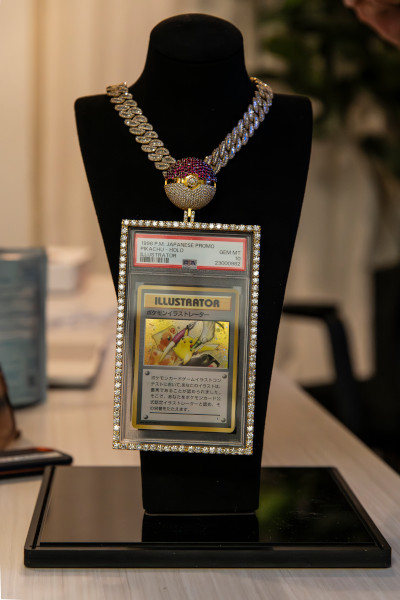
The February 2026 Goldin result concerned a PSA GEM MT 10 example previously owned by Logan Paul. The related reporting also records the earlier cash-and-card exchange. Those facts describe that physical copy; they do not supply a price for every Illustrator or make different grading-company labels interchangeable.
When comparing examples, record the grading company alongside the full grade designation. A bare “10” removes an important part of the evidence. A collector interested in the card’s history can still learn from lower-grade or differently certified examples, provided each is correctly identified and the condition distinctions remain visible.
Keep the sale separate from the card definition
A necklace accompanied the card in the 2026 auction story, but the published total equals the reported hammer plus buyer premium. No separate price allocation for the necklace is supplied. That accessory belongs in the transaction notes, not in a catalog definition suggesting that Illustrator cards ordinarily include jewelry.
The enduring collecting subject is the prize card and the evidence attached to its individual survivors. A landmark result can direct attention toward that history without becoming a promise about future value. Read the linked transaction analysis for the dated price basis; use this profile to preserve the card’s identity.
Inspect the actual example
- Match the Japanese prize-card identity and full image before relying on a shortened Pikachu listing title.
- Check front, reverse, holder and certification record for the actual offered copy.
- Keep accompanying accessories and provenance documents separate from the underlying card definition.
Nearby prints to distinguish
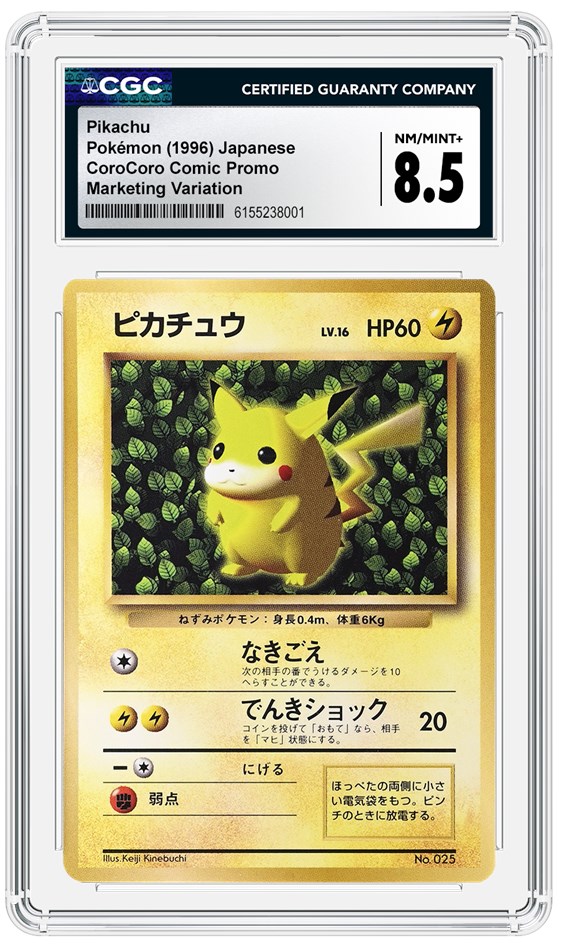
- Other Japanese Pikachu prize or trophy cards
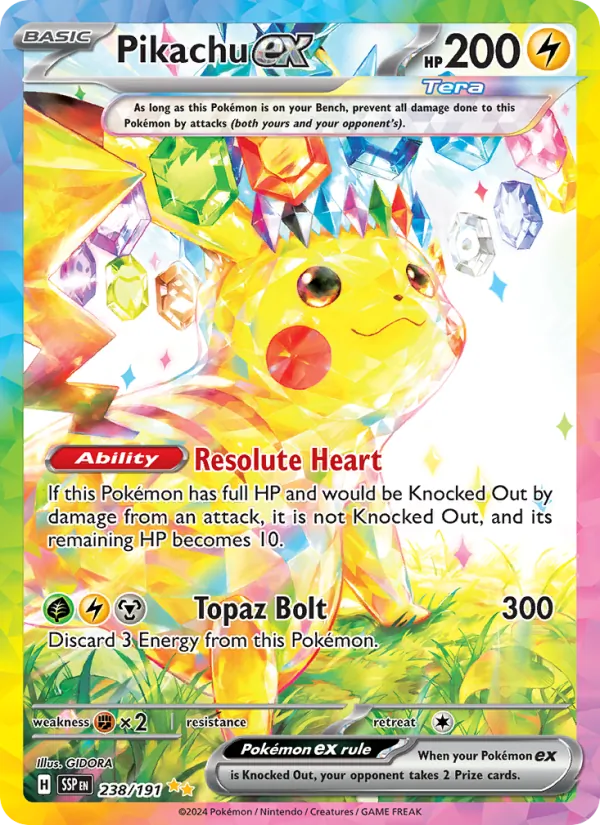
- Retail Pikachu cards and modern anniversary reproductions
- Other Illustrator examples with different graders, grades or ownership histories
The sale in context
What the $16.492 million Pikachu Illustrator sale actually measures