Trade toward a card you actually want
A good trade starts with a clear target: a missing illustration, a better-fitting slab or the final card in a small set. Identify what you are willing to give up before browsing offers. The goal is a collection you prefer after the exchange, with a transaction whose cards, costs and delivery are understood by both people.
There are two main routes. A direct trade exchanges cards, sometimes with cash added. Selling first and buying afterward creates two separate transactions. Direct trading needs a counterparty who wants what you have; selling can reach one buyer while you shop from someone else. Choose the route based on the available cards and the complete cost of reaching your target.
1. Write an exact want list and trade list
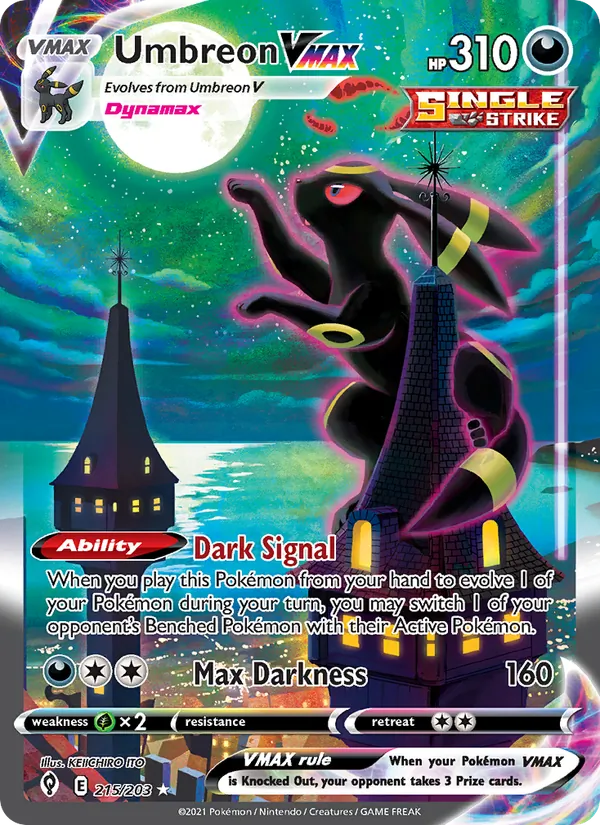
Use set, number, language, treatment and condition for each card. For slabs, add grader, complete grade and certification. This prevents a friendly negotiation from ending with two people expecting different printings. “Umbreon VMAX” is an incomplete request when the collector really wants the Evolving Skies alternate-art card numbered 215/203.
Mark each outgoing card as available, reserved or already committed. Describe flaws that would matter to the other collector and request equivalent evidence for the incoming card. Do this before debating value. A small mismatch in the intended edition can overwhelm a careful negotiation about a few dollars of cash adjustment.
2. Choose a service that supports the intended exchange
Courtyard’s trading guide describes direct exchanges of one or several eligible revealed items, with optional cash. The physical cards stay in the vault while ownership changes. Arena Club documents fee-free card-for-card trades when no cash is involved. Those features can remove the need to mail cards between collectors for the internal exchange, while any later physical retrieval remains a separate step.
A pack-opening service does not automatically support peer trading. Collectibles.com’s help article, checked for this guide, says trading is currently unavailable. A Repackz buyback is therefore not evidence of a direct collector-to-collector swap feature. If your main aim is trading, verify that the exact item is eligible before buying it for that purpose.
Digital collection trades have their own limits. Ripz’s FAQ describes exchanges between friends that require both people to accept. Pending offers can be cancelled and expire after seven days. Its physical redemptions depend on available inventory, so a digital trade is not an unconditional promise of a mailed card. Check the incoming item’s redemption eligibility if physical ownership is your goal.
Review documented trading features alongside fees and physical redemption.
Compare trading platforms3. Compare the offered copies, including their grades
Place the two item records side by side. Compare language and edition, whether the card is raw or encapsulated, the grading company, grade, qualifiers and any separately assessed autograph. A PSA 10 and a CGC Pristine 10 should not be compressed into a generic “10” when researching comparisons. Each label is part of that copy’s identity.
Check certification through the grader’s own site and compare any available images. PSA cautions that real certification numbers can be copied onto counterfeit labels, so a successful lookup is one check rather than complete authentication of an offered item. Where the evidence is incomplete, ask for clearer photographs or a suitable independent opinion before committing valuable cards.
4. Agree values without forcing every estimate to match
Research close completed-sale comparisons for both sides using the same currency and similar dates. Then discuss the values each person is willing to use for this exchange. A platform estimate is a reference point; it does not require either collector to accept a trade. Personal collecting value can legitimately differ from the latest reported sale.
For several cards toward one, list each component. Three difficult-to-sell items are not automatically equivalent to one desirable card merely because their highest asking prices add to the same number. Equally, a collector may actively prefer the group. The agreement should explain what changes hands without disguising thin evidence as precise market value.
5. Calculate cash and fees before sending the offer
A cash adjustment is the amount added to balance the agreed exchange; it is not the complete cost if a platform charges for that component. Courtyard states that its item-for-item portion is free and that fees can apply to added cash, without giving one universal rate in the trading article. Arena Club’s fee guide distinguishes no-cash trades from cash transactions, which carry a seller fee and applicable payment charges.
Hypothetical example: you offer two cards at agreed trade values of $70 and $30 for a target accepted at $120. The proposed adjustment is $20. If you instead sold both cards for $100 combined and hypothetically paid 10% selling fees, you would retain $90 before other costs and need $30 toward a $120 purchase. The difference illustrates the arithmetic; it is not proof that a particular direct trade is cheaper once its own charges are included.
| Hypothetical route | Amount needed toward the $120 target | Compare before deciding |
|---|---|---|
| Direct trade at agreed values | $70 card + $30 card + $20 cash | Any fee on the cash component and later retrieval |
| Sell both, then buy | $100 sale − hypothetical 10% fee = $90; add $30 | Payment, shipping and buying costs; whether the target remains available |
6. Build the offer so the other collector can inspect it
Select the exact outgoing and incoming items, add any cash in the correct direction and include a short explanation of the proposal. Courtyard starts from Make a Trade on an item page or Propose Trade on a collector profile. Read the final offer as a new agreement after every counter, especially if one card or the cash amount changed. The record should make clear what each collector gives and receives.
Keep the negotiation focused on the collection. A message explaining which card you want and how you reached the proposed adjustment is more useful than pressure about a supposed deadline. If the counteroffer no longer fits your budget or removes the card that made the exchange worthwhile, declining is an ordinary collecting decision.
7. Review open offers and the final confirmation
Pending offers need attention because the available inventory and your preferences can change. Courtyard says items are not locked merely because they appear in a proposal; selling, trading or redeeming an item can cancel related pending offers. Keep enough eligible balance for any cash component and review the current proposal before accepting it.
At confirmation, verify every item, quantity, grade and cash direction once more. Save the completed transaction record and confirm that the incoming cards appear in your collection. If an interface reports a problem, check the transaction status before manually creating a second exchange. A message from the other person is not a substitute for the platform’s completed record.
8. Plan a physical handover when cards must be mailed
An internal vault trade and a private postal exchange have different logistics. For a postal trade, agree dispatch dates, addresses, tracked services, cover, packing and what happens if an item is lost, damaged or materially different from its description. Establish those terms before either person sends a card. Tracking shows a parcel’s journey; it does not prove the correct collectible was inside.
Use the documented transaction route and keep the agreement with the item evidence. Do not share account passwords or wallet recovery information to complete a trade. If a supposed verification step asks for those secrets or an unrelated transfer, stop and confirm the process through the operator’s own support. The useful security measures protect the actual handover rather than replacing it with trust in a profile image.
9. Update the collection, then decide what comes next
Remove the outgoing cards from your owned list and add the exact incoming examples, with the exchange date and any cash or fees. Preserve the agreed component values as trade records, separate from current market estimates. If the new card stays vaulted, note where it is held and how retrieval works.
A trade can be successful because it completes a theme or reduces cards you no longer enjoy. There is no need to turn it into a claimed profit. For the next exchange, use what you learned about evidence, communication and fulfillment. A smaller, clearly documented trade that improves the collection is a stronger starting point than an elaborate deal whose details remain uncertain.
Build the next want list around exact cards and variants.
Explore the card indexThe questions collectors ask
Can I trade cards online without selling them first?
Yes, where a platform supports eligible direct trades. Courtyard and Arena Club document card-for-card exchanges. Verify the current feature and item eligibility rather than assuming every pack service offers it.
Are online card trades free?
Pure card-for-card trades can be free on the documented services, but cash components, payment processing and later physical retrieval can introduce charges. Review the actual confirmation before accepting.
How do I know whether a trade is fair?
Identify both exact copies, compare relevant completed sales, include fees and agree values openly. The trade also needs to fit both collections. Equal estimates alone cannot establish condition, authenticity or a useful collecting outcome.
Can I trade a card held on one platform for one on another?
Do not assume the services share a trading system. You may need a supported transfer, physical redemption or separate sale and purchase. Confirm each part before promising delivery.
Does a verified certification number make a postal trade safe?
It helps confirm a grading record, but PSA warns that genuine numbers can be copied. Inspect the actual item, the counterparty’s evidence and the payment or delivery arrangements together.